

High Blood Pressure in Men: The Silent Killer
High blood pressure in men — also known as hypertension — is often called the “silent killer” for a reason. It rarely comes with symptoms, but left unchecked, it can quietly damage your arteries, heart, kidneys, and brain. For men, the risk is especially high. According to the CDC, nearly 50% of men in the U.S. have elevated blood pressure, many without even knowing it.

The good news? High blood pressure in men can be managed—and often improved—through simple lifestyle changes, especially when it comes to food. If you’ve been told your numbers are climbing, or if you’re trying to prevent problems down the road, here’s what you need to know.
High Blood Pressure in Men Means Serious Business
When your blood pressure is too high for too long, it puts extra strain on your blood vessels and vital organs. Over time, this can lead to:
- Heart attacks
- Stroke
- Kidney damage
- Vision problems
- Cognitive decline
These aren’t just worst-case scenarios — they’re real consequences that affect millions of men every year. And since hypertension often has no obvious warning signs, many men don’t take it seriously until it’s too late.
What Makes Managing High Blood Pressure Harder
Some risk factors for hypertension are out of your control—like age or family history. But many of the biggest culprits are lifestyle-related:
- Too much sodium: Most men consume far more salt than they need, mostly from processed and packaged foods.
- Low potassium: Potassium helps balance out sodium’s effects, and most men aren’t getting enough from fruits and vegetables.
- Alcohol: Drinking too much alcohol—especially regularly—can spike blood pressure over time.
- Chronic stress: When your body is constantly in “fight or flight” mode, your blood pressure stays elevated.
- Lack of exercise and poor diet: Sitting too much and eating processed foods only adds fuel to the fire.
How Nutrition Can Help Manage Hypertension
If you’re serious about lowering your blood pressure, the first place to look is your plate. Here are a few key changes that make a real difference:
- Cut Back on Salt
You don’t need to go salt-free, but being mindful makes a big impact. Aim to:
- Avoid heavily salted snacks like chips and canned soups.
- Read labels—many processed foods sneak in sodium where you wouldn’t expect it.
- Flavor your meals with herbs, spices, citrus, or garlic instead of reaching for the salt shaker.
- Add More Potassium-Rich Foods
Potassium helps relax your blood vessels and reduces the effect of sodium. Add these to your daily meals:
- Bananas, sweet potatoes, and avocados
- Leafy greens like spinach and kale
- Beans and lentils
- Oranges and melons
- Choose Whole Over Processed
Stick with real, whole foods most of the time:
- Swap white bread and pasta for whole grains like oats and quinoa.
- Skip the fast food and make simple home-cooked meals with lean proteins and veggies.
- Keep healthy snacks like nuts, fresh fruit, and low-sodium popcorn on hand.
- Eat More Onions (Yes, Really)
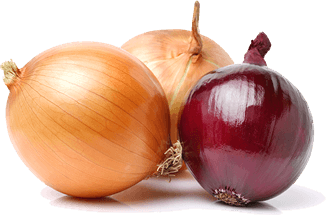
Onions may not be the first food you think of when it comes to heart health, but they pack a punch. They contain antioxidants and compounds that help relax blood vessels and reduce inflammation—both important for managing blood pressure.
Take Charge Before It’s a Problem
High blood pressure in men isn’t just something that happens in old age—it can start as early as your 30s or 40s. The sooner you make smart choices, the better your chances of avoiding serious complications.
You don’t have to be perfect. Even small changes—like adding a banana to your breakfast or skipping the salty takeout—can help you stay in control. Start with what’s realistic for your lifestyle and build from there.
Your heart will thank you.