

Men and Type II Diabetes: How Smarter Nutrition Can Lower the Risk
Type II diabetes continues to rise in the U.S., and men are especially vulnerable. Research shows that men are more likely to develop type II diabetes at lower body weights than women, putting them at risk even when they don’t look overweight. That makes prevention through everyday nutrition even more important.

The good news? You don’t need a complete lifestyle overhaul to get results. For men, type II diabetes can often be prevented—or better managed—through smart food choices that help keep blood sugar levels steady and support insulin sensitivity.
Why Men Should Pay Attention to Type II Diabetes
Type II diabetes doesn’t just affect blood sugar, it increases your risk for heart disease, kidney damage, nerve problems, and other long-term health issues. Men may not always notice early warning signs, which makes prevention and regular health screenings key.
What makes this more urgent for men is the way their bodies store fat. Men tend to carry more abdominal fat, which is more metabolically active and associated with insulin resistance, and a major contributor to type II diabetes. That’s why men and Type II diabetes are closely linked, even if a man is only slightly overweight.
How Nutrition Helps Prevent and Manage Type II Diabetes
The way you eat directly affects how your body handles glucose. Blood sugar spikes, crashes, and insulin resistance can all be influenced by your daily meals. The right foods—and the right timing—can keep blood sugar levels more stable and help avoid complications down the line.
1. Limit Added Sugars and Refined Carbohydrates
Foods such as soda, candy, white bread, and pastries cause quick spikes in blood sugar, followed by sharp crashes. These fluctuations are hard on the body, especially when they happen regularly. Cutting back on these processed items is one of the most important steps you can take.
Instead, aim for whole, unprocessed carbs:
- Whole grain bread
- Brown rice or quinoa This High Protein Chicken, Onion and Quinoa Salad

High Protein Chicken, Onion and Quinoa Salad
is a great way to add quinoa into your meals. Sweet potatoes
- Fresh fruit (in moderation)
These options break down more slowly in the body, helping to avoid blood sugar rollercoasters.
2. Eat More Fiber-Rich Foods
Fiber slows digestion, which means your blood sugar rises more gradually after a meal. Fiber also supports a healthy gut microbiome, which is increasingly linked to insulin regulation.
Great sources of fiber include:
- Leafy greens
- Lentils and beans
- Berries
- Oats
- Broccoli
- Nuts and seeds
Men should aim for at least 30–38 grams of fiber per day, but most fall short. Adding more plant-based foods to your meals can help you get there without extra effort.
3. Watch Portion Sizes and Eat Consistently
Large portions, especially of starchy or sugary foods, can overload your system and cause blood sugar spikes. Try using a smaller plate, reading labels, and listening to your body’s hunger signals.
Eating at regular intervals (every 3-4 hours) can also help prevent crashes and keep insulin levels more even. Skipping meals or eating erratically makes it harder for your body to manage glucose properly.
Extra Benefit: Onions for Blood Sugar and Heart Health
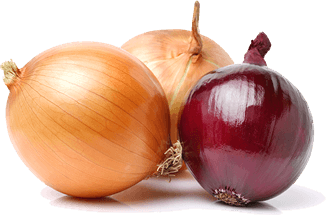
You might not expect it, but onions can be a smart addition to a diabetes-friendly diet. They contain compounds that may help reduce blood sugar levels, especially when eaten regularly. Onions also support heart health, which is a major concern for anyone with or at risk of type II diabetes. This is due to their antioxidants and anti-inflammatory properties.
Try adding onions to stir-fries, soups, omelets, or roasted veggie trays for flavor that supports your health goals. This study shows that eating red onions can help improve glucose tolerance.
Learn more about the nutritional value of onions here.