

Men and Obesity: How Better Nutrition Can Improve Health and Quality of Life
Obesity is more than just a number on the scale—it’s a major health concern that affects millions of men and leads to serious complications like heart disease, type 2 diabetes, sleep apnea, joint pain, and even certain cancers. According to the CDC, more than 40% of men in the U.S. are considered obese. But the good news is that small, consistent changes in nutrition can make a big difference.

Why Obesity Matters for Men
Obesity doesn’t just make daily life harder. It raises the risk for some of the most common and dangerous health problems men face. Carrying extra weight can lead to:
- Heart disease, the leading cause of death among men
- Type 2 diabetes, which is more likely to affect men even at lower body weights
- Sleep apnea, where extra weight around the neck affects breathing during sleep
- Joint pain and mobility issues, especially in the knees and hips
- Increased cancer risk, particularly for colon and prostate cancers
These aren’t just long-term concerns. Obesity can drain your energy, affect your mood, and make everyday activities harder.
How Nutrition Can Help
There’s no magic fix—but good food choices can make weight loss more manageable and sustainable. Here’s how better nutrition supports men dealing with obesity and its side effects:
1. Cutting Out Processed Foods
Processed foods—things like chips, fast food, frozen meals, and sugary snacks—are packed with empty calories, added sugars, and unhealthy fats. Swapping them out for whole foods like fresh vegetables, fruits, lean proteins, and whole grains naturally reduces calorie intake without leaving you hungry.
Whole foods also give your body the nutrients it needs to function properly, which helps improve energy levels and makes it easier to stay active throughout the day.
2. Focusing on Protein and Fiber
Protein and fiber are your best allies in weight loss. Why? Because they keep you full longer. This means fewer cravings, less snacking between meals, and a better chance of sticking to healthy portions.
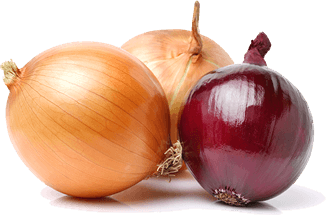
Great sources of protein include eggs, grilled chicken, tofu, beans, and Greek yogurt. For fiber, think vegetables, fruits, whole grains like brown rice or oats, and legumes. Onions are a great low-calorie, high-fiber addition to meals that also support heart health and digestion. Try these healthy options with onions.
3. Staying Hydrated and Snacking Smarter
Sometimes, we mistake thirst for hunger. Drinking enough water throughout the day—especially before meals—can help with portion control and reduce mindless snacking. If you need something with flavor, try water infused with lemon or cucumber.
When cravings hit, reach for smart snacks: apple slices with peanut butter, carrot sticks with hummus, or a boiled egg with a sprinkle of sea salt. These give you satisfaction without the blood sugar spike and crash. Read this article about how drinking water can help you lose weight.
Extra Bonus: Sleep and Joint Health Improve Too
When you lose even a small amount of weight, the benefits go beyond the scale. Less weight on your body means less pressure on your joints, reducing pain and improving movement. Sleep often improves too, especially if you deal with sleep apnea—weight loss can reduce or even eliminate symptoms in some men.
Final Thoughts: Better Food, Better Life
Men and obesity is a conversation worth having—not from a place of shame, but from a place of taking back control. Eating better doesn’t mean perfection. It means making smarter choices more often. Choose water over soda. Cook at home more often. Add vegetables to your plate. Focus on what you can add to your meals—not just what you take away.
Healthy eating is a powerful tool. And for men facing obesity and related conditions, it’s one that can change everything—from sleep and energy to joint health and long-term disease risk.