

Zero Waste Cooking: Simple Ways to Save Money, Reduce Food Waste, and Eat Better
If your fridge has ever felt like a collection of “what am I supposed to do with this?”—you’re not alone. Between busy schedules and changing plans, it’s easy for food to get pushed to the back and forgotten. That’s where zero waste cooking comes in. It’s not about perfection. It’s about using what you have, stretching your groceries further, and making meals that actually work for real life.
Zero-waste cooking hits a sweet spot for a lot of us: it saves money, reduces waste, and makes everyday meals feel a little more intentional without adding stress.

What Is Zero Waste Cooking (Really)?
At its core, zero waste cooking means using as much of your food as possible — before it ends up in the trash. That includes leftovers, produce scraps, and ingredients that might otherwise go unused.
It doesn’t mean you have to compost everything or overhaul your kitchen overnight. It can be as simple as:
- Turning leftover vegetables into a quick stir-fry
- Freezing herbs before they go bad
- Using odds and ends to build a new meal
Small habits add up quickly—and they’re easier than you think.
Start With What You Already Have
Instead of planning meals around new grocery lists, try building meals around what’s already in your fridge. That half container of rice, leftover roasted vegetables, or extra protein can easily become something new with just a few additions.
A great trick is to think in “base meals”:
- Grain bowls
- Pasta dishes
- Tacos or wraps
- Soups
These formats are flexible, forgiving, and perfect for using up small portions.
Don’t Toss the “Extras”—Use Them
One of the easiest ways to practice zero waste cooking is to rethink what counts as “waste.”
Vegetable scraps—like onion skins, carrot peels, and celery ends—can be saved in a freezer bag and used later to make homemade broth. It’s a simple way to get more value out of ingredients you’ve already paid for.
Herbs starting to wilt? Chop and freeze them in olive oil. Bread going stale? Turn it into croutons or breadcrumbs.
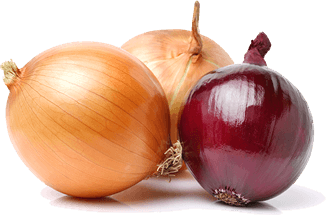
Even something as basic as an onion can go further than you might expect. The papery skins can help add color to broths, while leftover slices can be pickled or sautéed and used throughout the week to add flavor to multiple meals.
Prep Once, Use All Week
A little prep at the beginning of the week can make zero waste cooking much easier.
Try making:
- A batch of roasted vegetables
- Cooked grains like rice or quinoa
- A jar of quick pickled vegetables (onions work especially well)

Having these ready-to-go ingredients on hand means you’re less likely to let food sit unused—and more likely to throw together a quick, satisfying meal. Need a recipe for pickled onions? Try this: Pickled Red Onion.
Caramelized onions are another great example. Make a big batch once, and use them throughout the week in eggs, sandwiches, pasta, or grain bowls. They add flavor without requiring extra effort every night. Traditionally, it will take a good 45 minutes to make caramelized onions, but we’ve found a faster way that shaves easily 20 minutes from it. Try this method for Faster Caramelized Onions here.
Make Leftovers Feel Like a New Meal
One reason food gets wasted is because no one wants to eat the same thing twice. The trick? Change the format.
Last night’s roasted chicken can become:
- Tacos with fresh toppings
- A hearty soup
- A quick pasta dish
Adding something fresh—like herbs, citrus, or pickled onions—can completely shift the flavor and make leftovers feel new again.
Why Zero Waste Cooking Matters
Food waste isn’t just about what’s in your fridge—it has a bigger impact. Wasted food means wasted money, energy, and resources. But the good news is that small changes at home can make a real difference.
Zero waste cooking also helps you become a more flexible, confident cook. You rely less on strict recipes and more on what you have, which often leads to simpler, more creative meals.
Keep It Simple
You don’t need a perfect system to make zero waste cooking work. Start with one or two habits:
- Use leftovers within a day or two
- Prep a few versatile ingredients each week
- Find creative ways to use what you already have
That’s it.
Over time, those small shifts can help you waste less, spend less, and enjoy your meals more—without overthinking it.