
Gut Check: How Onions Can Support Digestion in 2026
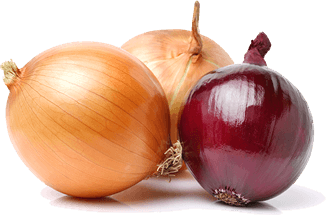
By the time many of us reach midlife, digestion starts sending clearer signals. Bloating after meals, feeling overly full, or irregular digestion becomes harder to ignore. As conversations around gut health grow louder heading into 2026, one familiar ingredient deserves more attention: the onion. Often used for flavor alone, onions also play a meaningful role in digestion support thanks to their natural prebiotic properties.
Gut health isn’t about quick fixes or extreme diets. It’s about feeding the beneficial bacteria in your digestive system so they can do their job well. Onions help with exactly that, making them a practical addition to everyday meals.

Why Gut Health Matters More Than Ever
The gut microbiome affects more than digestion. It influences energy levels, immune response, and even mood. For Gen X adults juggling work, family, and changing health needs, supporting digestion can improve daily comfort and long-term wellness.
Prebiotic foods are a key part of this equation. Unlike probiotics, which add bacteria, prebiotics feed the good bacteria already living in your gut. Onions are one of the most accessible prebiotic foods available, containing compounds like inulin and fructooligosaccharides that help beneficial microbes thrive.
Onions as a Natural Prebiotic
Onions support gut health by encouraging balance in the digestive system. When gut-friendly bacteria are well fed, digestion tends to run more smoothly. That can mean less bloating, better regularity, and improved nutrient absorption.
Raw onions offer the strongest prebiotic effect, but cooked onions still provide digestive benefits while being gentler on the stomach. The key is finding preparation methods that work for your body, especially if onions have caused discomfort in the past.
How to Eat Onions Without Digestive Discomfort
If onions have ever made you hesitate, the good news is that small changes in preparation can make a big difference.
Start by adding onions gradually instead of in large amounts. Cooking methods matter, too. Sautéing, roasting, or slow-cooking onions breaks down compounds that can cause gas for some people. Pairing onions with healthy fats like olive oil may also help slow digestion and reduce irritation.
For raw onions, slicing them thinly or soaking them briefly in cold water can mellow their bite and make them easier to digest. These small adjustments allow you to enjoy onions for gut health without discomfort.
Easy Ways to Add Onions to Daily Meals
Supporting digestion doesn’t require a full kitchen overhaul. Onions can be added to meals you already make.
For salads, try finely chopped red onion mixed with leafy greens, cucumbers, and a simple olive oil dressing. The raw onion provides prebiotic benefits while adding crunch and flavor.
Sautéed onions are an easy starting point for dinner. Cook sliced onions slowly until soft, then add garlic, greens, beans, or lean protein. This creates a base that supports digestion while keeping meals familiar.
Slow-cooked meals are especially gut-friendly. Soups, stews, and braised dishes allow onions to break down fully, making them easier to tolerate. An onion-forward vegetable soup or slow-cooked chicken with onions and herbs delivers comfort while quietly supporting digestive health.
Looking Ahead to Gut Health in 2026
As interest in microbiome health continues to grow, simple foods like onions will remain part of the conversation. They’re affordable, easy to find, and fit naturally into the way many of us already cook.
Gut health doesn’t have to involve supplements or complicated plans. By using onions more intentionally, you can support digestion in a steady, manageable way. Whether raw, sautéed, or slow-cooked, onions offer a practical path to better gut health—one meal at a time.