

Heart-Healthy Eating Made Simple: Meals That Start With an Onion
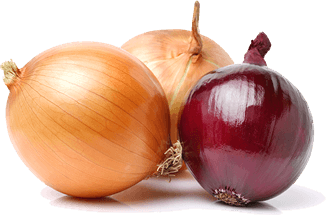
Heart-healthy eating often gets a bad reputation for being boring, restrictive, or hard to maintain. In reality, it can be simple, flavorful, and built around ingredients you already use. One of the easiest ways to support heart health at home is to start meals with an onion. This everyday vegetable adds flavor, depth, and nutrition while helping make heart-healthy eating feel realistic instead of overwhelming.

Onions are rich in antioxidants and compounds linked to reduced inflammation, which plays an important role in cardiovascular health. They also help reduce the need for excess salt and heavy sauces, making them a natural fit for heart-healthy eating patterns focused on whole foods and balanced meals.
Why Onions Belong at the Center of Heart-Healthy Eating
Heart-healthy eating emphasizes ingredients that support healthy cholesterol levels, blood pressure, and overall circulation. Onions fit easily into this approach because they pair well with olive oil, garlic, leafy greens, beans, and lean proteins. When cooked slowly, onions develop a natural sweetness that enhances meals without relying on added sugars or saturated fats. Here are some facts about how onions contribute to heart health.
Another benefit is how flexible onions are. Whether you’re cooking a quick skillet dinner, a hands-off sheet-pan meal, or a comforting soup, onions help tie ingredients together while keeping meals satisfying and nourishing.
Skillet Meals That Support Healthy Eating
Skillet dinners are a practical choice for busy nights, and they’re ideal for heart-healthy eating. Start with olive oil and sliced onions, cooking them until soft and lightly golden. This creates a flavorful base that allows other ingredients to shine.
Try a simple skillet with onions, garlic, chickpeas, tomatoes, and spinach. The onions provide depth, the beans add fiber, and the greens contribute important nutrients that support heart health. Finish with lemon juice and herbs instead of heavy sauces.
Another heart-smart option is a salmon skillet with onions and tomatoes. The onions cook down and release moisture, helping keep the fish tender while adding flavor without extra fat. This kind of meal shows how heart-healthy eating can still feel comforting and filling.
Sheet-Pan Dinners for Everyday Health
Sheet-pan meals are perfect for maintaining heart-healthy eating habits without extra work. Slice onions into wedges and toss them with olive oil, garlic, and vegetables like broccoli, Brussels sprouts, or sweet potatoes. Roast until everything is tender and lightly caramelized.
Add lean protein such as chicken breast, tofu, or white fish to complete the meal. As the onions roast, they create a natural sauce that coats the vegetables and protein, reducing the need for processed dressings or added salt.
Soups That Make Eating for Your Heart Comforting
Soups are often overlooked, but they’re one of the easiest ways to practice heart-healthy eating. Most nourishing soups begin with onions gently cooked in olive oil, followed by garlic and vegetables. From there, you can add beans, lentils, leafy greens, and low-sodium broth.
An onion, white bean, and kale soup is a great example. The onions build flavor, the beans add fiber and plant-based protein, and the greens contribute key nutrients that support cardiovascular health—all in one bowl.
Making Heart-Healthy Eating Feel Doable
Heart-healthy eating doesn’t require drastic changes or unfamiliar foods. By starting meals with onions, you build flavor naturally while supporting your heart at the same time. Skillet dinners, sheet-pan meals, and soups become easy ways to stay consistent without sacrificing taste.
With onions as your starting point, heart-healthy eating becomes less about rules and more about cooking simple, satisfying meals that fit into everyday life.