

What Antioxidants Do (and Why Onions Belong on Your Plate)
You’ve probably seen the word “antioxidants” on juice labels, health blogs, or supplement bottles—but what do they actually do? And why should you care?
Antioxidants aren’t just a trendy nutrition buzzword. They play a real, science-backed role in keeping your body functioning the way it should. From fighting fatigue to protecting your cells, antioxidants are like a built-in defense system—and the good news is, they’re found in a lot of everyday foods, including fruits, vegetables, and yes, even onions. Is what antioxidants do on your brain? We’ve got answers. And we have recipes!

What antioxidants do — a lot
To understand antioxidants, let’s talk about what happens inside your body on a cellular level. Throughout the day, your body creates something called free radicals—unstable molecules that come from everything from digestion and exercise to pollution and stress.
Free radicals aren’t always bad. Your body naturally makes them during normal processes like turning food into energy. But too many free radicals, especially from outside sources (like smoking, UV exposure, or fried foods), can cause a condition called oxidative stress. That’s when free radicals start damaging your cells, proteins, and even your DNA. Over time, oxidative stress has been linked to inflammation, aging, heart disease, and certain types of cancer.
Enter: antioxidants.
Antioxidants are compounds that neutralize free radicals before they can cause harm. They stabilize those unstable molecules, keeping your body’s systems running more smoothly. Think of antioxidants as the clean-up crew your body needs to keep things in balance.
Where Do Antioxidants Come From?
Your body does make some antioxidants on its own, but it relies heavily on the ones you get from food. The best sources are colorful fruits and vegetables—berries, leafy greens, tomatoes, citrus fruits—and yes, onions.
Some of the most well-known antioxidants include:
- Vitamin C – found in onions, bell peppers, oranges, and broccoli
- Vitamin E – in nuts, seeds, and leafy greens
- Beta-carotene – in carrots, sweet potatoes, and spinach
- Quercetin – a powerful antioxidant found in onions
The more variety of plants you eat, the better your antioxidant intake.
Why Onions Deserve Attention
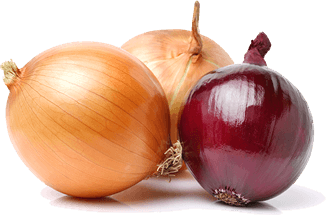
Onions are often overlooked, but they punch above their weight in antioxidant power—especially thanks to quercetin. Quercetin is a flavonoid that helps reduce inflammation, fight oxidative stress, and may even support heart and immune health. It’s been studied for its potential to help with allergy symptoms, high blood pressure, and general inflammation in the body. What does the Mayo Clinic say?
Red onions, in particular, have the highest levels of antioxidants, but all onions contain beneficial compounds. And because onions are easy to add to meals—raw in salads, caramelized on burgers, roasted with vegetables, or blended into soups—they’re a simple way to sneak more health benefits into your day.
How Antioxidants Help You Feel Better
When your body is better protected from oxidative stress, you feel it in different ways:
- More energy: Less cellular damage means your body spends less effort on repair and more on functioning well.
- Stronger immune system: Antioxidants support immune cells and help the body respond better to illness.
- Better skin: Free radicals can accelerate skin aging. Antioxidants help keep skin cells healthy and protected.
- Sharper thinking: Oxidative stress affects the brain, and antioxidants may support memory and focus over time.
The Bottom Line: Eat the Rainbow
You don’t need expensive supplements or exotic powders to boost your antioxidant intake. Just eat a variety of colorful, whole foods, and let them do their job. Onions may not be flashy, but they’re one of the easiest ways to get powerful antioxidants into everyday meals.
A stir-fry with bell peppers, red onions, and broccoli? That’s not just dinner—it’s free radical defense. Add in berries with breakfast, leafy greens with lunch, and your body will thank you.
Eat better, feel better—and let antioxidants work their magic behind the scenes. For more on onion power, read about their Vitamin C power.