
Stretch Your Grocery Budget This Spring: 7 Dinners That Feed a Family for Under $10
For many families, this season feels familiar. Stretching meals, watching the grocery budget, and making ingredients go further are habits that once came naturally—and are starting to again. It’s not about doing anything new, just getting back to what works. Here are seven cheap family dinners that come in around $10 or less and actually feel like real meals—not just “getting by.”

- Vegetable Fried Rice
Use leftover rice, a couple of eggs, frozen vegetables, and a sautéed onion for a filling skillet meal. Add soy sauce and you’ve got dinner for under $8.
- Pasta with Tomato and Onion Sauce

Slow Cooker Bolognese
A simple sauce made with canned tomatoes, garlic, and onions turns basic pasta into a comforting meal. Add a sprinkle of cheese if you have it.
- Lentil Soup with Carrots and Celery

Turkey Onion Lentil Soup
Lentils are one of the cheapest protein sources available. Simmer with broth, carrots, celery, and onion for a hearty soup that feeds a crowd.
- Sheet Pan Sausage and Vegetables
Use a small amount of sausage and bulk it up with potatoes, onions, and carrots. Roast everything together for an easy, low-c

ost dinner. You can also use chicken. Try this Easy Chicken Citrus, Fennel and Onion Sheetpan Meal.
- Bean and Cheese Quesadillas
Canned beans, shredded cheese, and tortillas make a quick meal. Add sautéed onions for extra flavor without extra cost.
- Ground Turkey Skillet with Rice
Stretch one pound of ground turkey with cooked rice, onions, and spices. This simple skillet meal feeds four to five people.
- Baked Potatoes with Toppings
Large potatoes are inexpensive and filling. Top with butter, a little cheese, or leftover vegetables.
How to Keep Meals Under $10
Build meals around low-cost staples like rice, beans, and potatoes
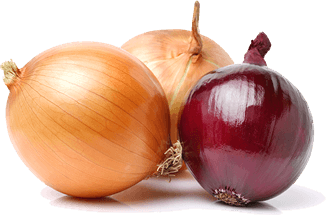
Use onions and other affordable vegetables to add flavor and volume
Plan meals that reuse ingredients across multiple dinners
For many families, this way of cooking isn’t new—it’s something that’s been passed down over generations. Our parents and grandparents learned how to stretch ingredients, reuse leftovers, and make simple foods go further during some of the toughest times in history, including the Great Depression and World War II. Those habits didn’t come from trends or cookbooks—they came from necessity. And today, as budgets tighten again, those same practical skills are proving just as useful around the dinner table.