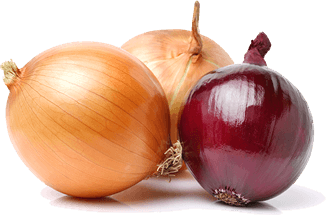

Pickled Onions 101: How to Make Pickled Onions and Genius Ways to Use Them
Pickled onions are not only a delightful addition to meals but also easy to make at home. Their tangy, crisp flavor can elevate various dishes, from salads to sandwiches. Here’s a simple guide on how to make pickled onions and creative ways to incorporate them into your favorite recipes.

How to Make Pickled Onions
Pickled onions require minimal ingredients and effort, making them a perfect beginner-friendly project for any home cook. Here’s a straightforward recipe to get you started:
2 cups red wine vinegar
2 cups water
½ cup sugar
½ teaspoon allspice berries
½ teaspoon whole black peppercorns
½ teaspoon whole cloves
2 bay leaves
2 cinnamon sticks
¼ teaspoon salt
2 medium red onions, sliced
Directions
In a large saucepan, combine the vinegar, water, sugar, allspice berries, peppercorns, cloves, bay leaves, cinnamon sticks and salt. Heat over medium-high and simmer 5 minutes to infuse the vinegar with the spices.
Toss the onions in the hot pickling liquid. Cook 1 more minute.
Pour the onions and liquid into a heat-safe bowl. If necessary, weight the onions with a heavy pan or plate to keep them submerged in the liquid. Let cool completely. Serve chilled or a room temperature.
How Chefs Use Pickled Onions Creatively
Professional chefs often rely on pickled onions to bring balance and visual appeal to their plates. The bright pink hue of pickled red onions makes them a favorite garnish, especially in upscale and modern casual dining. Their acidity helps cut through rich or fatty ingredients—think pork belly sliders, duck confit tacos, or buttery avocado toast. The contrast in flavor and texture not only sharpens the dish but also adds depth and complexity.
You’ll also see chefs using pickled onions in less expected ways. Some fold them into grain bowls or blend them into vinaigrettes for extra tang. Others use quick-pickled shallots or cipollini onions to top off ceviche, smoked fish dishes, or even pizzas with creamy cheeses. A spoonful of finely chopped pickled onions stirred into mashed potatoes or served alongside grilled steak can completely shift the flavor profile of the plate. Their versatility makes them a behind-the-scenes favorite in restaurant kitchens—and you can bring that same energy to your home cooking.
Are the onions still nutritious? Yes!
Even after pickling, onions retain many of their natural health benefits. They’re packed with antioxidants, especially quercetin, which has anti-inflammatory properties. Onions are also a good source of vitamin C, B6, and folate, all of which support your immune system and metabolism. Pickling doesn’t erase these benefits—it just gives the onions a new flavor and extends their shelf life. Plus, the vinegar used in pickling may support digestion and help regulate blood sugar, making pickled onions a tasty and health-conscious choice to keep in your fridge.
There are no limits for creative uses
Now that you have a jar of homemade pickled onions, here are some creative ways to enjoy them:
- Burger Topping: Add a tangy crunch to your burgers by layering pickled onions with lettuce, tomato, and your favorite condiments. Try this Pickled Onion Turkey Burger on for size.
- Taco or Burrito Filling: Enhance the flavors of tacos or burritos with pickled onions alongside grilled meats or beans. Try these Carne Asada Street Tacos.
- Salad Ingredient: Toss them into salads for a burst of flavor and texture. The NOA has many salad recipes.
- Sandwich Enhancer: Upgrade your sandwiches by including pickled onions in wraps, paninis, or classic deli-style sandwiches. Try these Chinese-Style Bao Buns with Pickled Red Onion.
- Charcuterie Board Addition: Pair pickled onions with cheeses and cured meats for a sophisticated appetizer spread.
Experiment with these ideas — or these ideas from Layers of Happiness — to discover your favorite ways to enjoy pickled onions in meals throughout the week. They add a unique flavor profile that complements a wide range of dishes, making them a versatile pantry staple.